Specifying stone for coastal exposure.
Why Toodyay quartzite outlasts most cladding in salt environments, and how to choose the right format for a foreshore brief.
Coastal building briefs in Western Australia share one obstacle: salt. Carried inland by prevailing south-westerlies, salt aerosols weather softer building stone within a decade. The cladding that survives is geological, not architectural.
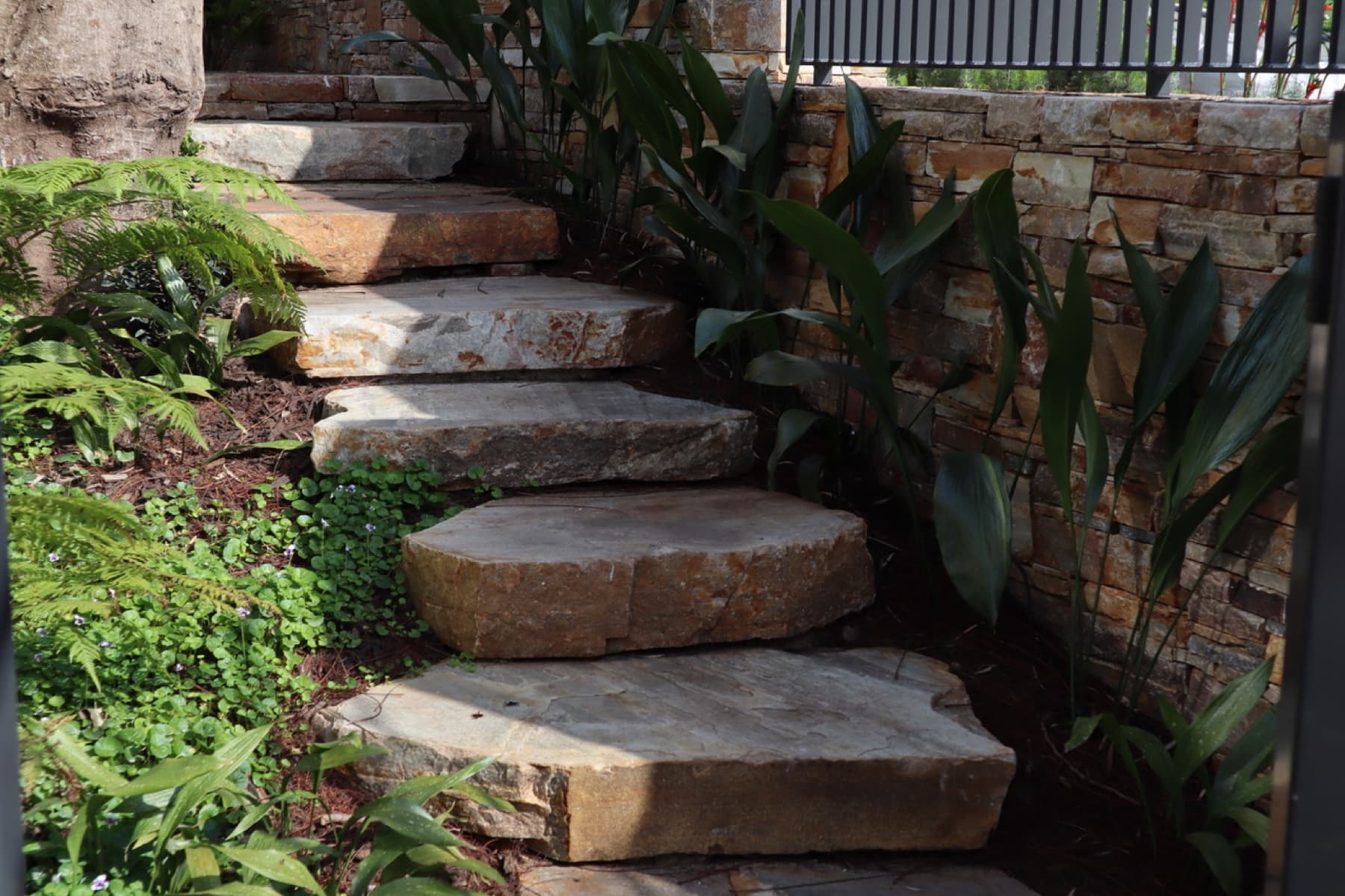
Toodyay quartzite carries an unusually high silica content and an even bedding plane. Both matter at the foreshore. The silica resists chemical breakdown; the bedding allows the stone to split cleanly, leaving a surface that drains rather than holds salt.
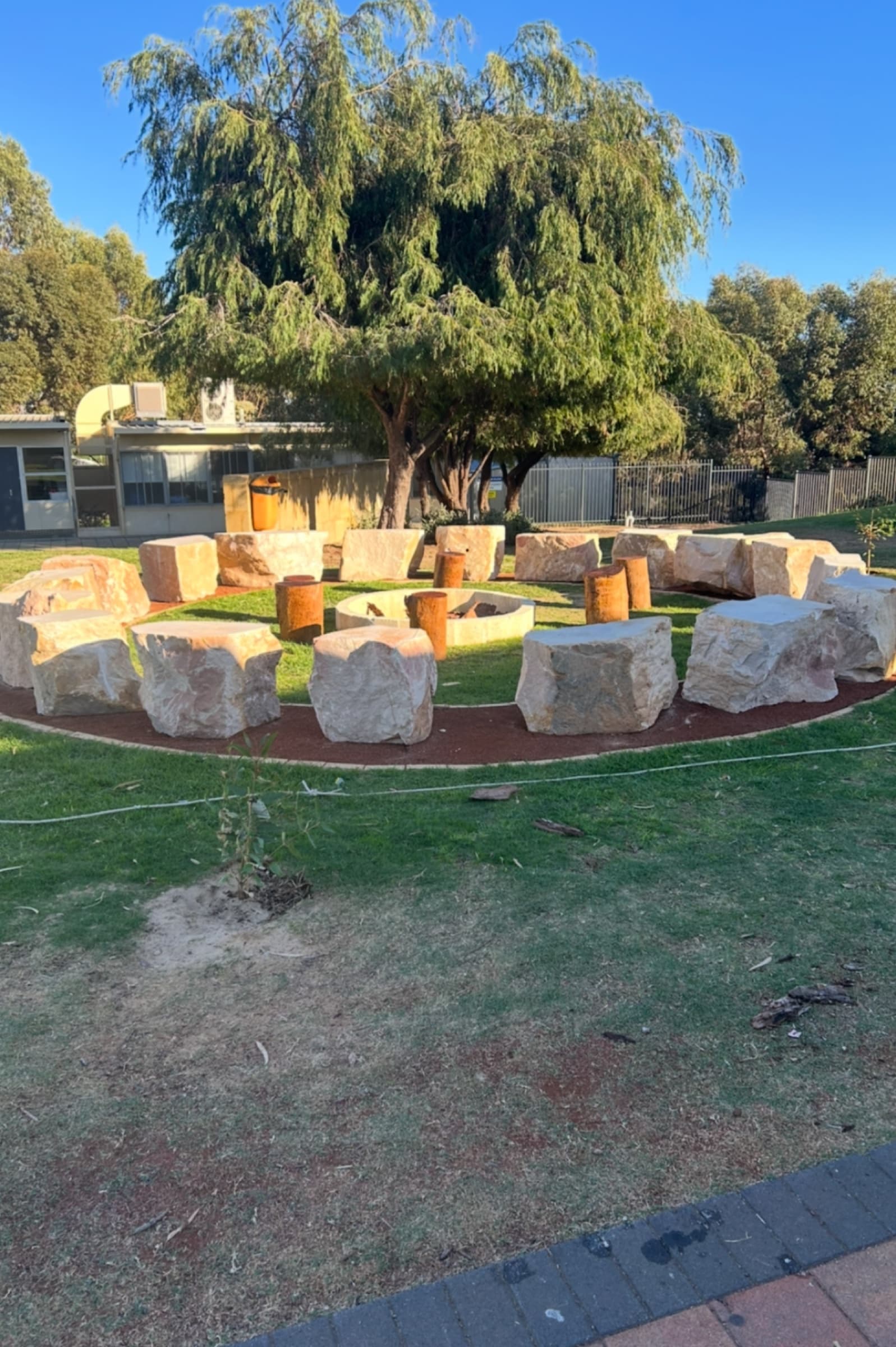
For a coastal brief, three format choices reduce maintenance over the long term. Natural-split cladding (rather than honed) leaves a textured surface that breaks up direct salt impact. Bookleaf laid with open joints lets the wall breathe. Rubble walling sits low-density enough to dry between cycles. None of these are decorative decisions. They're durability ones.
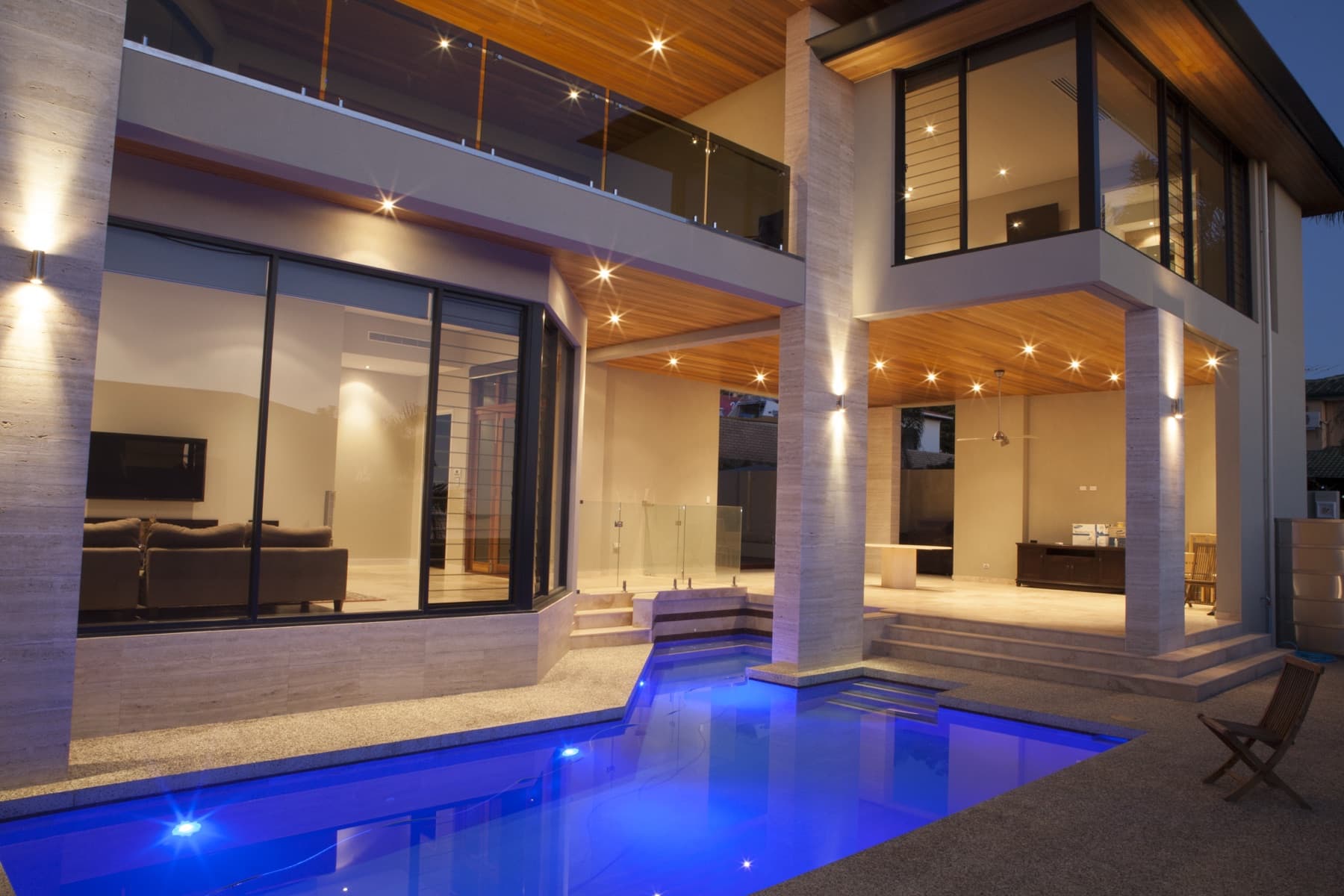
The same logic applies to coastal residential. The City Beach and Cottesloe foreshores we've supplied across the last five years all share the same specification: Toodyay cladding, split-face, 15mm minimum. After half a decade the surface has barely shifted from install day. Salt resistance is geological. Choose the geology.